

In today’s fast-paced market, the longevity and success of any product hinge significantly on its ability to evolve and adapt. Stagnation is a suce way to be left behind, making continuous refinement not just an option but a necessity. Companies, whether they are small startups or large corporations in the US, constantly seek actionable strategies to refine their offerings, ensuring they remain relevant, valuable, and appealing to their target audience. This constant pursuit of betterment directly translates into increased customer satisfaction, market share, and sustained profitability.
Overview:
- Gathering direct customer feedback through various channels is essential for identifying areas for improvement.
- Analyzing usage data and user behavior patterns can reveal hidden pain points and opportunities.
- Monitoring competitors and market trends provides valuable insights into industry best practices and emerging needs.
- Conducting A/B testing helps validate changes and ensure improvements genuinely enhance the user experience.
- Fostering an internal culture of continuous iteration and team brainstorming generates diverse product improvement ideas.
- Prioritizing potential improvements based on impact, effort, and strategic alignment is crucial for efficient execution.
- Addressing common user frustrations, even minor ones, can significantly boost overall product perception.
Gathering User Feedback for Practical Product Improvement Ideas
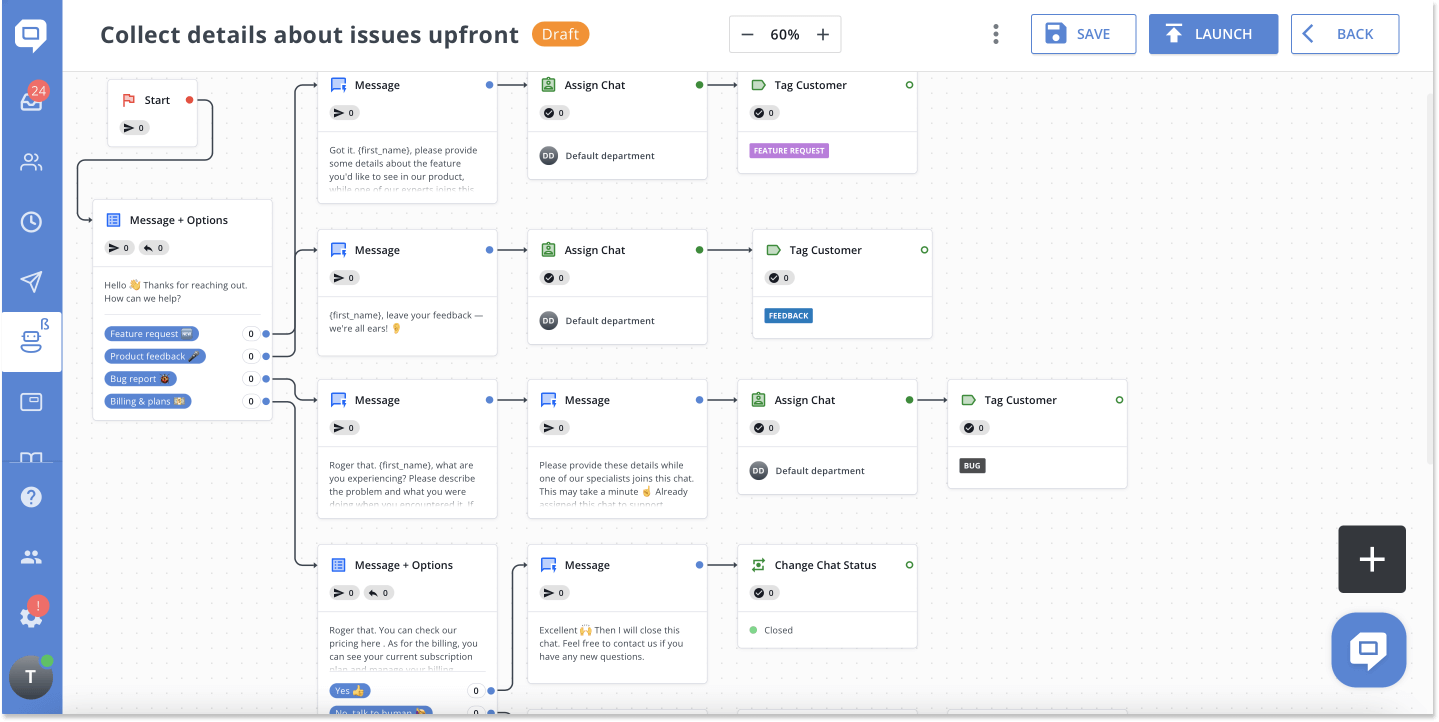
One of the most straightforward and effective ways to generate product improvement ideas is by listening directly to your users. They are the ones interacting with your product daily, experiencing its strengths and weaknesses firsthand. Implementing structured methods for feedback collection can yield a wealth of practical insights. Consider deploying in-app surveys or email questionnaires asking specific questions about usability, features, and overall satisfaction. Regularly review customer support tickets and chat logs; these often highlight recurring issues or frequently requested functionalities. Engaging in direct customer interviews or focus groups can provide deeper qualitative understanding, allowing you to probe into ‘why’ users feel a certain way or ‘how’ they would prefer a feature to work. Public reviews on app stores or social media also offer unfiltered opinions that can pinpoint critical areas needing attention. Establishing a dedicated feedback portal or forum allows users to suggest ideas and vote on others, creating a community-driven improvement pipeline.
Leveraging Data Analytics for Practical Product Improvement Ideas
Beyond direct feedback, quantitative data offers an objective lens for identifying opportunities for improvement. Analyzing user behavior through product analytics tools can reveal how people are actually using your product, not just what they say they are doing. Look for drop-off points in user flows, features that are underutilized, or areas where users spend an unusually long time. Heatmaps and session recordings can visualize user interactions, showing where clicks are concentrated or where users encounter friction. A/B testing different versions of a feature or UI element can provide empirical evidence of which design performs better against specific metrics, such as conversion rates or task completion times. Monitoring key performance indicators (KPIs) like retention rates, average session duration, or feature adoption can signal areas that require immediate attention or indicate successful changes. Data helps validate assumptions and ensures that any proposed product improvement ideas are backed by evidence, reducing guesswork and increasing the likelihood of positive impact.
Observing Market Trends and Competitors for Practical Product Improvement Ideas
Staying aware of the broader market landscape and competitor activities is another vital source of product improvement ideas. Regularly benchmark your product against direct competitors. What features do they offer that you don’t? How is their user experience different? Are there common pain points in the industry that no one has fully addressed yet? This isn’t about mere imitation, but about understanding what the market expects and where there are gaps. Pay attention to emerging technologies and societal trends. For example, the increasing demand for accessibility features or privacy controls across various industries can inform your product roadmap. Reading industry reports, attending conferences, and subscribing to relevant publications can keep you abreast of shifts in consumer preferences and technological advancements. Sometimes, a “disruptive” feature from a competitor can force a re-evaluation of your own product’s core offerings, spurring innovative solutions that differentiate you in the marketplace.
Internal Collaboration and Iteration for Practical Product Improvement Ideas
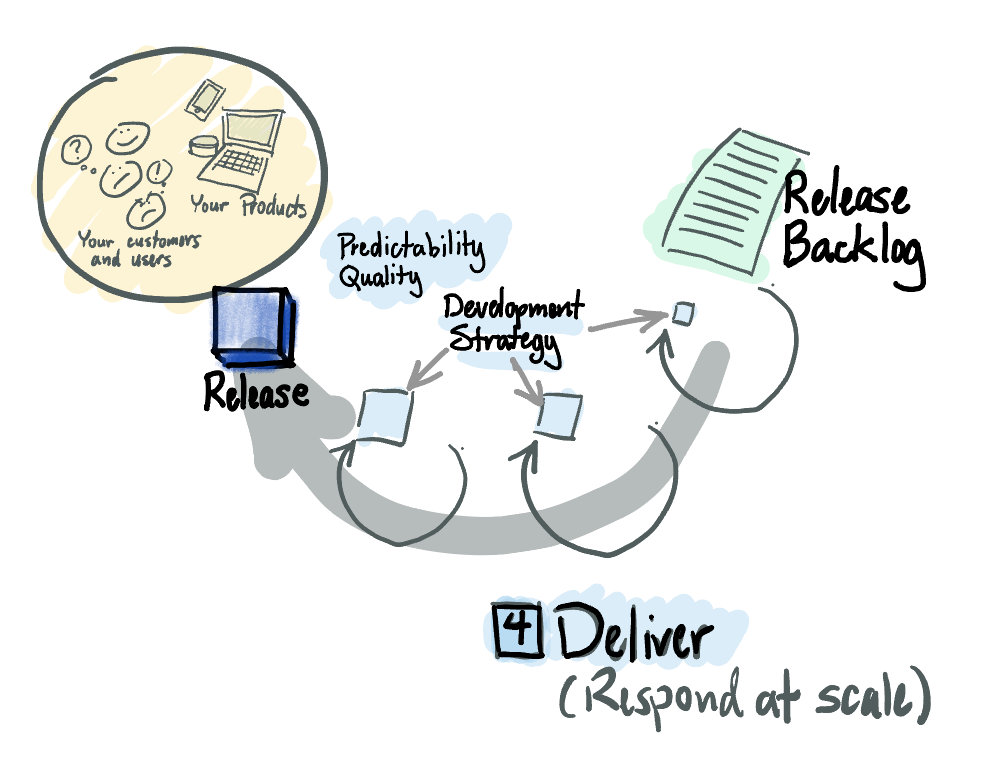
Effective product improvement isn’t solely external; it’s also deeply rooted in internal processes and a culture of continuous iteration. Regular brainstorming sessions with cross-functional teams – including engineering, design, marketing, and sales – can generate a diverse range of product improvement ideas. Each department brings a unique perspective on user needs, technical feasibility, and market viability. Encourage an environment where even seemingly small ideas are welcomed and explored. Implementing a structured process for evaluating, prioritizing, and testing these ideas is crucial. This might involve creating a backlog of potential improvements, assessing them based on factors like customer impact, technical effort, and business value, and then selecting a manageable number for development in short, iterative cycles. Regularly scheduled product reviews, where the team collectively assesses recent changes and identifies the next set of challenges, help maintain momentum and foster a shared commitment to ongoing betterment. This iterative approach allows for small, frequent improvements rather than large, infrequent overhauls, making the product more adaptable and responsive to evolving user needs.


