
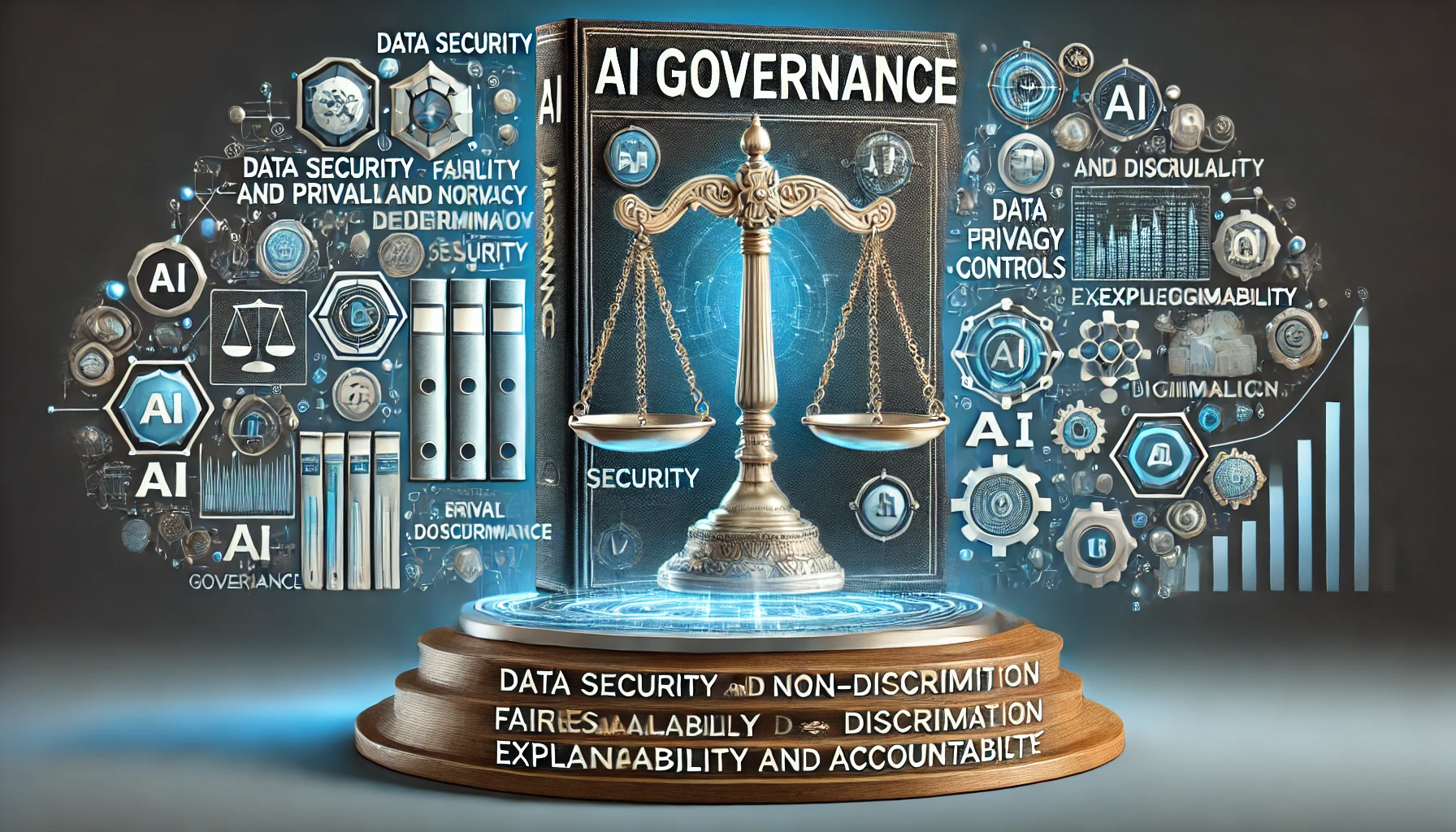

Models are much like grand orchestras. Each one has the ability to produce breathtaking harmonies or unsettling noise depending on how it is guided. When an orchestra performs without a conductor or a defined score, even the most gifted musicians drift into disarray. In the same way, model governance ensures that advanced systems do not wander into harmful or unintended territories. Defining acceptable use policies becomes the musical sheet that keeps every interaction aligned with safety, ethics and organisational intent.
The Score Behind the Symphony: Why Acceptable Use Policies Matter
Imagine a vast concert hall where audiences gather with very different expectations. Some come seeking insight, others entertainment and some arrive with motives that are not always benign. When models are deployed without rules, they become instruments vulnerable to manipulation. They may play melodies that were never meant to be heard.
Acceptable use policies act as the guardrails that prevent these models from being pushed beyond their purpose. They clearly describe what the system can assist with, what it must decline and what patterns of behaviour are considered unsafe. Organisations that implement such policies early often discover that clarity reduces risk, improves user trust and preserves the integrity of the technology. In teams where the generative AI course in Pune is part of foundational training, the concept of model governance appears as essential as learning the first scales in music.
Drawing the Boundaries: Crafting Clear and Enforceable Rules
Designing the right policies is less about strict policing and more about thoughtful curation. It resembles drawing lines in a landscape painting, separating mountains from sky and fields from rivers. These boundaries help models understand the terrain they can safely explore.
Effective acceptable use policies often include detailed scenarios explaining what constitutes harmful content, misinformation, personal data misuse or biased outcomes. Story-driven examples work particularly well, enabling teams to visualise how a real user interaction might test the policy. The clearer these examples are, the easier it becomes for developers, product managers and auditors to enforce them consistently.
Behind every well-governed deployment is a cross-functional committee that treats AI behaviour as a living narrative. Policies evolve, grow and adapt, never frozen in time. This narrative approach is particularly emphasised by professionals who have engaged with a generative AI course in Pune, where hands-on exercises often highlight how these rules shape model outputs in dynamic environments.
Auditing the Orchestra: Monitoring Compliance in Real Time
Once the rules are set, the next challenge is ensuring the system follows them. This part of governance feels like standing backstage, listening for any unexpected shift in rhythm. Continuous monitoring allows organisations to detect anomalies before they become damaging.
Modern auditing tools offer dashboards that highlight risky prompts, unusual user interactions or content that skirts policy boundaries. Some organisations introduce a red teaming function, where experts intentionally stress-test the model with unusual or adversarial prompts. The goal is not to expose weaknesses for criticism but to strengthen the system before real users can exploit it.
Regular compliance reports, featuring a blend of technical metrics and storytelling summaries, help leaders appreciate both the scale and subtlety of governance. These reports act as travel journals for the model, documenting its journey through countless conversations and decisions.
Adapting to New Instruments: Updating Policies as Models Evolve
AI systems do not remain static. Their capabilities shift, new features emerge and fresh applications unfold across industries. Policies that were perfect during the first release may become outdated as the model learns new patterns or integrates with new tools.
This evolution mirrors a music ensemble that adopts new instruments. The score must change accordingly or the harmony collapses. Organisations need formal update mechanisms that periodically review acceptable use policies in light of new risks, market changes or regulatory expectations.
Workshops, scenario rehearsals and interdisciplinary review boards all contribute to this evolving governance cycle. These updates ensure the organisation stays ahead of emerging misuse patterns, from subtle social engineering attempts to sophisticated multimodal manipulations.
Building a Culture That Respects the Score
Model governance is not only a technical obligation. It is a cultural commitment. When teams treat the policies as a checklist, the spirit of governance weakens. But when they view these rules as part of the organisation’s shared promise to society, the culture changes.
Developers begin thinking about ethical boundaries while writing code. Product managers question the implications of new features. Support teams recognise the importance of guiding users responsibly. Leadership, in turn, reinforces the message by investing in training, conducting internal audits and embedding governance milestones into project lifecycles.
This cultural shift turns acceptable use policies into a shared language spoken across departments, much like musicians learning to tune their instruments together before a performance.
Conclusion: Keeping the Music Safe and Meaningful
Defining acceptable use policies ensures that AI systems remain aligned with human values and organisational goals. These policies act as the invisible conductor, guiding each interaction so the resulting symphony is both safe and meaningful. When models operate within clearly defined boundaries, they empower innovation instead of endangering it. In an era where technology can influence opinions, decisions and identities, governance becomes the guiding spotlight that directs the performance towards trust and responsibility. Through structured rules, continuous monitoring and a culture that respects ethical design, organisations create an environment where AI can perform with confidence and grace.


